
What Storm Signs Show You Need Immediate Repairs?

AI Summary
Learn the most urgent storm damage signs that require immediate roof repairs.
Understand how wind, hail, and heavy rain impact roofing systems in PA.
Discover interior and exterior warning signs homeowners often miss.
See when to schedule a roof inspection or roof repair to prevent major damage.
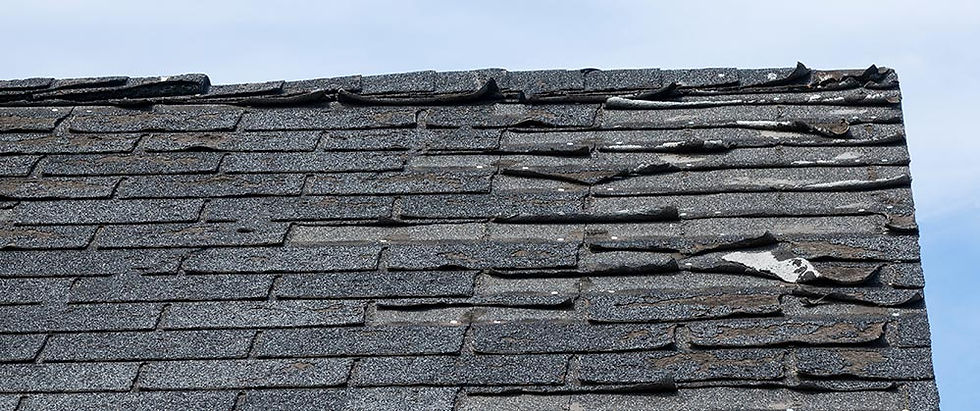
Storms in Irwin, Pittsburgh, and surrounding Western Pennsylvania areas can cause sudden and severe roof damage. High winds, hail, heavy rain, and falling debris often compromise roofing systems in ways that are not immediately obvious. Waiting too long to address storm damage allows water to enter the home, leading to mold growth, insulation damage, and structural decay.
Immediate repairs are critical because even minor storm-related issues can worsen rapidly, especially during back-to-back storms or fluctuating temperatures common in Pennsylvania.
Understanding which storm signs indicate urgent repair needs helps homeowners act quickly and protect their homes.
Exterior Storm Signs That Need Immediate Attention
Missing or Blown-Off Shingles
Strong winds can lift or remove shingles entirely. Missing shingles expose the underlayment and roof deck to direct moisture.
Urgent risks include:
Rapid water infiltration
Wood rot
Interior leaks during the next rainfall
Any missing shingles after a storm should be addressed immediately.
Lifted or Creased Shingles
Shingles that appear raised, bent, or creased often result from wind uplift. Even if they remain attached, they no longer seal properly.
These shingles:
Allow water beneath the surface
They are more likely to blow off in future storms
Accelerate overall roof wear
Lifted shingles are a clear sign that roof repair is needed.
Visible Hail Impact Marks
Hail damage may appear as dents, bruises, or granule loss on shingles. While hail damage is sometimes subtle, it weakens shingles and shortens the roof's lifespan.
Look for:
Dark spots where granules are missing
Soft spots when gently pressed
Dented flashing or vents
Hail damage should be inspected promptly, especially if insurance claims may apply.
Damaged or Loose Flashing
Storms often loosen flashing around chimneys, vents, skylights, and roof valleys. Flashing damage creates direct water entry points.
Warning signs include:
Bent or lifted metal
Gaps near roof penetrations
Rust or displaced flashing
Flashing issues require immediate repair to stop leaks.
Fallen Debris on the Roof
Tree branches and debris can crack shingles, puncture roofing materials, or damage flashing.
Even small branches can:
Scratch shingle surfaces
Trap moisture
Break shingle seals
Any debris left on the roof after a storm should be removed and inspected.
Interior Storm Damage Signs You Should Never Ignore
Ceiling or Wall Water Stains
Water stains often appear hours or days after a storm. They may start small and spread over time.
Signs include:
Brown or yellow discoloration
Damp drywall
Bubbling paint
These stains indicate active leaks that require immediate attention.
Dripping or Moisture in the Attic
Attic inspections after storms often reveal problems before they appear inside living spaces.
Check for:
Wet insulation
Water dripping from nails
Dark stains on rafters
Musty odors
Moisture in the attic means water has already entered the roofing system.
Sudden Drafts or Temperature Changes
Storm damage can create openings that allow outside air into the home.
Watch for:
Cold drafts after storms
Hot spots in summer
Increased energy bills
These signs often point to roof or attic damage.
Mold or Musty Smells
Moisture from storm damage creates ideal conditions for mold growth.
If you notice:
Musty odors
Visible mold spots
Allergy symptoms worsening
Storm-related leaks may be present and worsening.
Storm Types and the Damage They Cause
Windstorms
High winds lift shingles, damage flashing, and loosen fasteners. Wind damage often spreads with subsequent storms.
Hailstorms
Hail weakens shingles even when no leaks are present. Over time, hail damage leads to premature roof failure.
Heavy Rainstorms
Prolonged rain exposes weaknesses in flashing, valleys, and underlayment.
Snow and Ice Storms
Winter storms create ice dams, add weight to roofs, and cause leaks along roof edges and soffits.
Why Delaying Repairs Leads to Major Damage
Ignoring storm damage allows water to penetrate deeper into the roof structure.
Delays result in:
Rotting roof decking
Mold growth
Damaged insulation
Ceiling and wall repairs
Higher repair costs
Prompt repairs often cost far less than delayed restoration work.
Problem to Solution: Acting Fast After Storms
Problem: Shingles are missing or lifted
Solution: Schedule immediate roof repair to reseal exposed areas.
Problem: Water stains appear inside the home
Solution: A professional roof inspection identifies entry points and prevents further damage.
Problem: Hail hit your neighborhood
Solution: Inspections document damage early for repair or insurance purposes.
Problem: Storm debris damaged roof sections
Solution: Remove debris and repair compromised areas before moisture spreads.
What Homeowners Should Do After a Storm
Perform a Visual Check
Walk around your home and look for visible roof damage from the ground.
Inspect the Attic
Check for moisture, stains, or leaks using a flashlight.
Document Damage
Take photos of visible damage for insurance records.
Avoid Temporary Fixes
Avoid tarps or sealants unless professionally recommended.
Call a Professional Quickly
Fast response limits damage and protects the home.
People Also Ask
How soon should storm damage be repaired?
As soon as possible, ideally within days of the storm.
Can storm damage cause leaks later?
Yes. Even small damage can worsen with time and future storms.
Should I inspect my roof after every storm?
Yes, especially after strong wind, hail, or heavy rain.
Does insurance cover storm damage?
Storm-related damage is often covered, but documentation is important.
FAQ Section
Are missing shingles always an emergency?
Yes. Exposed areas allow immediate water entry.
Can hail damage exist without leaks?
Yes. Hail weakens shingles before leaks appear.
Is it safe to climb on the roof after a storm?
No. Wet or damaged roofs are dangerous.
How long can storm damage go unnoticed?
Weeks or months, until leaks become visible.
Get Fast Help After Storm Damage
Storm damage moves quickly, and waiting too long can turn minor repairs into major projects. If you notice any warning signs after a storm, Gerken Roofing is ready to respond with fast, professional service.
Call 724-515-5551 or fill out the online form to schedule an inspection. Gerken Roofing proudly serves Irwin, Pittsburgh, and surrounding Western Pennsylvania communities with reliable emergency roofing solutions.


Comments