
What Roofing Steps Protect Homes Before Storms?

AI Summary
Learn the most important roofing steps that protect homes before major storms.
Understand how inspections, repairs, and maintenance reduce storm damage risk.
Discover weak points that storms target first on Pennsylvania roofs.
See when to schedule a roof inspection or roof repair to prepare your home.
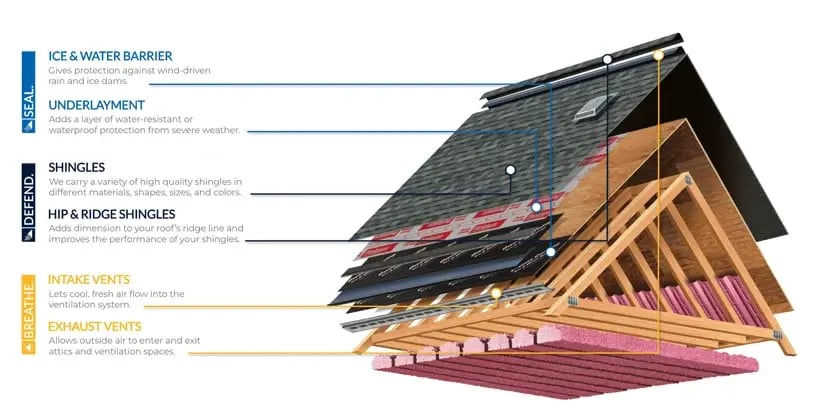
Storms in Irwin, Pittsburgh, and surrounding Western Pennsylvania communities often bring heavy rain, high winds, hail, and falling debris. These weather events can quickly exploit small roofing weaknesses, turning minor issues into major damage. Many storm-related roof failures happen not because storms are unusually severe, but because the roof was already vulnerable.
Preparing your roof before storms arrive is one of the most effective ways to protect your home, avoid emergency repairs, and reduce long-term costs. Proactive roofing steps help strengthen weak areas, improve drainage, and ensure your roof performs as intended during extreme weather.
How Storms Commonly Damage Roofs
Understanding how storms damage roofs helps homeowners know where to focus preparation efforts.
Wind Damage
Strong winds lift shingles, loosen flashing, and create gaps where water enters. Once shingles lose their seal, damage spreads quickly during continued wind exposure.
Heavy Rain and Water Intrusion
Prolonged rainfall exposes weaknesses in flashing, valleys, and underlayment. Even small gaps can allow significant water intrusion during intense storms.
Hail Impact
Hail damages shingles by knocking off granules and bruising the asphalt layer beneath. This weakens shingles and shortens the roof's lifespan.
Falling Debris
Tree limbs and debris can crack shingles, damage flashing, or puncture roofing materials entirely.
Key Roofing Steps That Protect Homes Before Storms
Schedule a Professional Roof Inspection
A professional roof inspection is the most important step homeowners can take before storm season. Inspections identify hidden issues that are not visible from the ground.
Inspections typically check:
Shingle condition
Flashing integrity
Roof valleys
Vent seals
Chimney areas
Roof decking condition
Signs of moisture or rot
Catching problems early allows repairs to be completed before storms make them worse.
Repair Loose or Damaged Shingles
Loose, cracked, or missing shingles are prime targets for wind damage. Storms easily lift compromised shingles, exposing the roof deck beneath.
Repairing shingles before storms:
Restores proper water shedding
Prevents shingle blow-offs
Reduces leak risk
Even minor shingle repairs significantly improve storm performance.
Secure and Repair Flashing
Flashing protects vulnerable roof areas such as chimneys, vents, skylights, and valleys. Damaged flashing is one of the leading causes of storm leaks.
Pre-storm flashing checks include:
Tightening loose sections
Replacing corroded metal
Resealing joints properly
Strong flashing keeps water out during heavy rain and wind-driven storms.
Clean and Inspect Gutters and Downspouts
Gutters play a critical role in storm protection. Clogged gutters cause water to back up under shingles and into fascia boards.
Before storms:
Remove leaves and debris
Ensure downspouts drain away from the home
Check for loose or sagging gutter sections
Proper drainage prevents water from overwhelming the roofing system.
Trim Overhanging Tree Branches
Tree limbs hanging over the roof pose a serious risk during storms. High winds can snap branches and send them crashing onto the roof.
Trimming branches:
Reduces impact damage
Prevents clogged gutters
Limits debris accumulation
This simple step greatly reduces storm-related damage risk.
Check Attic Ventilation and Insulation
Poor attic ventilation increases storm vulnerability by allowing heat and moisture to build up. This weakens shingles and contributes to ice dams during winter storms.
Ventilation improvements:
Reduce shingle aging
Prevent moisture buildup
Improve overall roof durability
A well-ventilated attic helps the roof perform better year-round.
Inspect Roof Valleys
Roof valleys channel large volumes of water during storms. Damaged shingles or flashing in valleys quickly lead to leaks.
Pre-storm checks include:
Ensuring shingles are intact
Clearing debris buildup
Confirming proper flashing coverage
Valleys should always be clear and secure before heavy rain events.
Reinforce Roof Edges and Eaves
Roof edges are especially vulnerable to wind uplift and water intrusion.
Steps to protect edges:
Repair loose drip edge
Replace damaged shingles
Install ice and water shield when needed
Strong edges reduce wind damage and winter ice issues.
Why Preventive Steps Save Money Long Term
Taking roofing steps before storms helps homeowners avoid:
Emergency repair costs
Interior water damage
Mold growth
Insurance claim complications
Premature roof replacement
Preventive maintenance costs far less than storm damage repairs.
Problem to Solution: Strengthening Your Roof Before Storms
Problem: Shingles blow off during storms
Solution: Repair loose shingles and reinforce roof edges.
Problem: Leaks appear after heavy rain
Solution: Inspect flashing and valleys before storms arrive.
Problem: Gutters overflow during storms
Solution: Clean and secure gutters and downspouts.
Problem: Ice dams form in winter storms
Solution: Improve attic ventilation and insulation.
Problem: Storm damage keeps recurring
Solution: Schedule regular inspections and proactive roof repair.
What Homeowners Can Do Themselves vs Professionally
Homeowner Friendly Tasks
Visual roof checks from the ground
Gutter cleaning
Tree branch trimming
Attic moisture checks
Tasks Best Left to Professionals
Shingle and flashing repairs
Ventilation adjustments
Structural inspections
Roof edge reinforcement
Professional work ensures safety and proper installation.
When Storm Preparation Should Be Done
Roof preparation should be completed:
Before storm season begins
After the previous storm damage
In early spring and fall
Before winter snow and ice
Waiting until storms arrive limits repair options and increases risk.
People Also Ask
Should roofs be inspected before storm season?
Yes. Inspections help identify and fix weak points early.
Can small roof issues really cause storm leaks?
Yes. Storms exploit even minor vulnerabilities.
Does insurance cover preventive roofing work?
Preventive maintenance is usually not covered, but it helps avoid claims.
How often should storm prep be done?
At least once per year and before major seasonal weather changes.
FAQ Section
Are roof inspections expensive?
Many inspections are affordable and help prevent costly damage.
Can gutter issues really affect the roof?
Yes. Poor drainage leads to leaks and rot.
Should I wait until the shingles fail to repair them?
No. Early repairs prevent widespread damage.
Does ventilation help during storms?
Yes. Proper ventilation reduces moisture and temperature stress.
Protect Your Home Before the Next Storm Hits
Storm damage often starts with small, preventable roofing issues. Taking the right steps before storms arrive helps protect your roof, home, and peace of mind.
If you want to prepare your roof for upcoming storms, Gerken Roofing is here to help with inspections, repairs, and expert guidance.
Call 724-515-5551 or fill out the online form to schedule your inspection. Gerken Roofing proudly serves Irwin, Pittsburgh, and surrounding Western Pennsylvania communities with reliable roofing protection.


Comments