
What Is TPO Roofing? A Homeowner's Guide to Flat Roof Materials

AI Summary
TPO roofing is a single-ply membrane material offering excellent energy efficiency and cost-effective installation for flat or low-slope commercial and residential roofs.
This roofing system provides superior weather resistance and can last 15-20 years with proper installation and maintenance.
TPO installation requires professional expertise to ensure proper seaming and membrane attachment for maximum performance.
Homeowners can expect moderate upfront costs with significant long-term energy savings due to TPO's reflective properties.
Nearly 40% of commercial buildings in the United States use single-ply roofing membranes, with TPO leading as the fastest-growing option. If you own a home with a flat roof, garage, or addition in Western Pennsylvania, you have likely encountered the challenge of finding a roofing material that handles our region's harsh winters, heavy snow loads, and temperature fluctuations.
Traditional roofing materials often fail on flat surfaces, leading to leaks, ice dams, and costly repairs. TPO roofing offers a modern solution specifically engineered for flat and low-slope applications. For Irwin, PA homeowners dealing with problematic flat roofs, understanding TPO could save thousands in future repairs and energy costs, especially when you work with experienced contractors who specialize in Roof Replacement services.
Why TPO Roofing Matters for Irwin, PA Homeowners
TPO roofing provides exceptional performance in Pennsylvania's challenging climate conditions. Our region experiences dramatic temperature swings from below-freezing winters to hot, humid summers, creating expansion and contraction cycles that stress traditional roofing materials.
The membrane's flexibility allows it to move with your building without cracking or splitting. TPO also reflects sunlight effectively, reducing cooling costs during hot summer months while maintaining durability through freeze-thaw cycles that plague other flat roofing options.
What TPO Roofing Actually Is
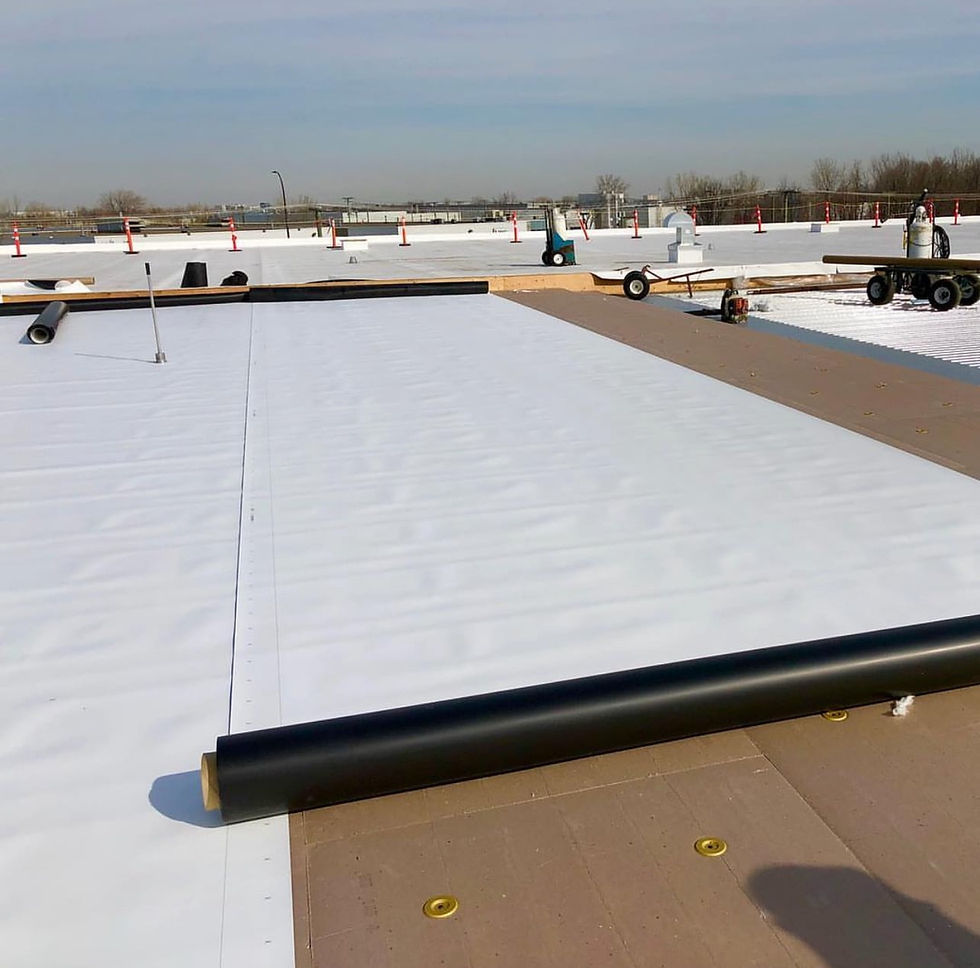
TPO stands for Thermoplastic Polyolefin, a single-ply roofing membrane designed specifically for flat and low-slope roofs. This synthetic material combines polypropylene and ethylene-propylene rubber to create a flexible, durable sheet that protects your home's structure.
TPO membranes typically come in white or light gray colors to reflect heat and UV rays
The material is manufactured in large sheets, reducing the number of seams needed during installation
Heat welding creates watertight seams that expand and contract with temperature changes
TPO thickness ranges from 45 to 80 mils, with thicker membranes providing enhanced durability
The membrane can be mechanically attached, adhered, or ballasted depending on your roof structure
TPO Installation Process and Requirements
Professional TPO installation begins with thorough roof deck preparation and insulation placement. The existing roof surface must be clean, dry, and structurally sound before membrane application. Any damaged decking, inadequate drainage, or structural issues require correction before installation begins.
Membrane Attachment Methods
Your roofing contractor will choose from three primary attachment methods based on your building's structure and local wind loads. Mechanical attachment uses screws and plates to secure the membrane directly to the deck, providing excellent wind resistance for most residential applications. Fully adhered systems use contact cement or bonding adhesive to create a continuous bond between membrane and substrate, ideal for roofs with limited structural capacity.
Ballasted systems use gravel or pavers to hold the membrane in place through weight rather than mechanical fasteners. This method works best on roofs with adequate structural capacity and minimal wind exposure, often providing the most cost-effective installation option.
Seaming and Quality Control
Heat welding creates the strongest, most reliable seams in TPO roofing systems. Professional installers use specialized equipment to heat both membrane edges simultaneously, creating a molecular bond stronger than the original material. Proper seaming requires consistent temperature control and pressure application, skills that develop through extensive training and experience.
Quality control testing follows each seam completion, using probe testing and visual inspection to ensure watertight integrity. Experienced contractors understand that seam quality determines system performance, making this phase critical for long-term success. When installation issues arise, prompt Roofing & Siding Repairs prevent minor problems from becoming major structural concerns.
TPO Performance in Western Pennsylvania Weather
TPO roofing excels in our region's variable climate conditions, particularly during winter months when ice and snow create challenges for other roofing materials. The membrane's flexibility prevents cracking during freeze-thaw cycles, while its smooth surface allows snow and ice to slide off more easily than textured materials.
Summer heat poses different challenges, but TPO's reflective properties keep roof surface temperatures significantly lower than dark-colored alternatives. This thermal performance reduces cooling costs and extends the membrane's lifespan by minimizing heat-related degradation. However, even the most durable roofing systems can face damage during severe weather events, making Storm Damage Repairs an essential service for maintaining system integrity.
Cost Considerations and Timeline Expectations
TPO installation costs vary based on membrane thickness, attachment method, insulation requirements, and roof complexity. Most residential TPO projects cost less than premium single-ply alternatives while providing comparable performance and longevity.
Installation timeline typically ranges from one to three days for average residential applications, depending on weather conditions and roof size. Professional contractors can often complete smaller projects in a single day, minimizing disruption to your daily routine. Additional considerations like Gutter Installation may extend project timelines but ensure complete water management system integration.
Frequently Asked Questions About TPO Systems
How long does TPO last in Pennsylvania weather?
TPO systems typically last 15 to 20 years in Pennsylvania's climate when properly installed and maintained. The membrane's resistance to UV radiation, temperature fluctuations, and moisture makes it well-suited for our region's challenging weather conditions. Regular maintenance and prompt repairs extend system lifespan significantly.
What is the difference between TPO and EPDM?
TPO is a thermoplastic material that can be heat-welded at seams, while EPDM is synthetic rubber requiring adhesive or tape seaming. TPO offers better energy efficiency through reflective properties, whereas EPDM provides proven long-term durability in darker colors. Both materials perform well in Pennsylvania's climate.
Do I need special maintenance for TPO?
TPO requires minimal maintenance compared to other roofing materials, primarily consisting of annual inspections and debris removal. Professional inspection should check seam integrity, membrane condition, and drainage system function to prevent minor issues from becoming major problems.
Can TPO be installed over existing materials?
TPO can often be installed over existing single-ply membranes or built-up roofing systems if the substrate is structurally sound and properly prepared. However, local building codes and manufacturer requirements may limit recover applications depending on existing roof conditions.
Should I replace my flat roof with TPO if it currently has tar and gravel?
TPO installation over tar and gravel roofing is possible but requires careful evaluation of the existing system's condition and structural capacity. A professional assessment will determine whether complete removal or recover installation provides the best long-term value for your specific situation.
How does TPO handle ponding water on flat roofs?
While TPO resists ponding water better than many alternatives, proper drainage design remains critical for long-term performance. Standing water should drain within 48 hours of rainfall to prevent premature membrane degradation and potential leak development.
Will TPO work with my home's exterior appearance?
TPO's clean, modern appearance complements most architectural styles, particularly when coordinated with quality Siding Installation (CertainTeed & Mid-America) and properly finished Soffit & Fascia details. White TPO provides excellent energy efficiency while maintaining an attractive, professional appearance.
What warranty coverage comes with TPO installation?
TPO manufacturers typically offer 10 to 20-year material warranties, while professional installation companies provide workmanship guarantees ranging from 5 to 15 years. Warranty terms vary by manufacturer and contractor, making it important to review coverage details before making your final decision.
Expert TPO Installation in Irwin, PA
TPO offers an excellent solution for Western Pennsylvania homeowners seeking reliable, energy-efficient flat roof protection. With years of experience serving Irwin, PA residents, our team understands the specific challenges our climate presents and the installation techniques that ensure long-term performance.
The decision to invest in TPO protects your home's structural integrity while reducing energy costs for years to come. Professional installation makes the difference between a roof that performs as designed and one that creates ongoing problems and expenses. Our commitment to quality craftsmanship and customer satisfaction has made us a trusted choice for residential roofing projects throughout the region.
When you choose experienced contractors for your TPO installation, you invest in proven expertise and comprehensive support. From initial assessment through final inspection, professional service ensures your roofing system performs reliably for decades.
Visit Gerken Roofing or call 724-515-5551 today. Our experienced team provides honest assessments and quality installations backed by comprehensive warranties. Contact us for more information.


Comments